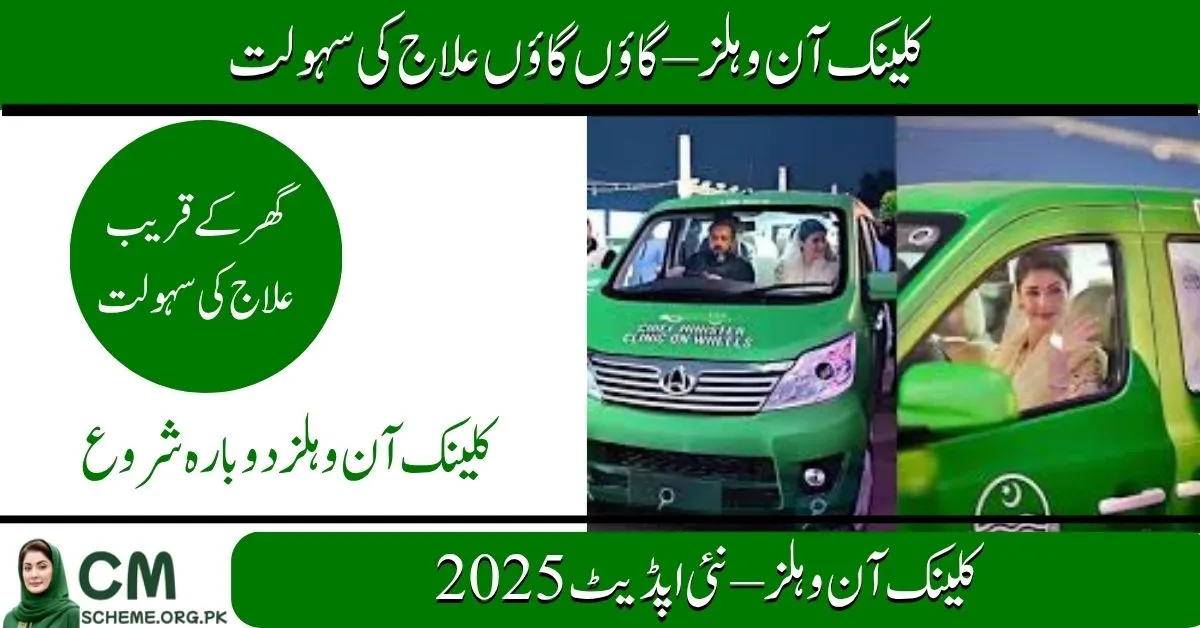
Clinic on Wheels Pakistan 2025 – Major New Changes Announced
The Clinic on Wheels in Pakistan is transforming how healthcare reaches people who live far from hospitals and medical centers. These mobile clinics travel through remote villages, bringing doctors, nurses, and essential medical services directly to those in need. Each mobile health unit is fully equipped with diagnostic tools, medicines, and telemedicine support to ensure quality care for every patient. In a country where rural communities often lack basic health facilities, this innovative healthcare on wheels model provides a lifeline of hope. By combining technology, mobility, and compassion, the Clinic on Wheels is closing the healthcare gap and creating healthier, stronger communities across Pakistan.
Check Out All Latest Updates
What Is the Clinic on Wheels Initiative
The Clinic on Wheels program is a mobile healthcare system designed to deliver essential medical services to Pakistan’s most remote areas. It operates through specially designed vehicles equipped with medical equipment, trained doctors, nurses, and basic medicines. These clinics travel from one rural community to another, offering consultations, diagnostics, and treatment for common diseases.
Unlike traditional hospitals, Clinic on Wheels in Pakistan brings healthcare directly to the people. Each vehicle functions as a mini-hospital with a pharmacy, testing area, and emergency unit. This concept has been successfully adopted in Punjab, Sindh, and Khyber Pakhtunkhwa, reducing the healthcare gap between urban and rural populations. The goal is simple yet powerful — to ensure every Pakistani can access quality healthcare, no matter where they live.
Also Read: Pakistan Atomic Energy Jobs Online Apply 2025 – Latest Advertisement & Eligibility
Why Pakistan Needs Clinic on Wheels
Pakistan faces a deep healthcare crisis, especially in rural areas. Thousands of villages lack hospitals or even basic clinics. People often travel hours to reach medical help. Many lives are lost due to delayed treatment or lack of awareness. In such areas, mobile medical units become a lifeline. They reach places where hospitals can’t, offering on-the-spot check-ups, vaccinations, and emergency care.
In Punjab’s Cholistan desert, for instance, women can now receive prenatal care through the Clinic on Wheels program. In Balochistan, these vans treat patients suffering from infections, malnutrition, and chronic illnesses. The results are clear — improved health outcomes, higher vaccination rates, and lower maternal deaths. The government’s commitment, supported by NGOs and international donors, ensures that these moving hospitals keep serving the people.
Impact on Rural and Remote Communities
The Clinic on Wheels program has brought visible change to many remote communities. Before its arrival, many villagers relied on home remedies or unqualified healers. Today, they can access professional medical services near their homes. This shift has increased trust in public healthcare and encouraged preventive health practices.
For example, in Tharparkar, a mother shared how the mobile clinic helped deliver her baby safely after she had lost her first child due to no access to doctors. Such stories reflect the real impact of this initiative. According to reports, vaccination coverage in rural Sindh has risen by 25% since the launch of mobile health programs. These clinics have become symbols of care and reliability in places once left behind.
Also Read: Green Tractor Scheme Phase 2: Apply Online, Eligibility & Subsidy Details 2025
Key Features and Services of Clinic on Wheels in Pakistan
Each mobile clinic is a well-equipped vehicle with medical technology to provide full care on the go. They offer general health check-ups, maternal and child health services, diagnostic testing, and health awareness programs. Patients can receive blood tests, ultrasound scans, and prescriptions without leaving their villages.
Another major innovation is telemedicine. Through internet connectivity, rural patients can consult with specialist doctors in cities like Lahore or Karachi. This connection bridges the healthcare gap between rural and urban Pakistan, making treatment faster and more efficient. Below is a summary of core services:
| Service Type | Description |
|---|---|
| Health Check-ups | Regular medical and blood pressure exams |
| Maternal Care | Prenatal, postnatal, and child nutrition support |
| Diagnostics | X-rays, lab tests, and ultrasound facilities |
| Awareness | Sessions on hygiene, vaccination, and nutrition |
Also Read: Asan Karobar Loan Scheme: The Expert Guide for Entrepreneurs in Pakistan
Government and Private Sector Role
Both the government and private sector play a strong role in expanding the Clinic on Wheels in Pakistan program. The Punjab government, under CM Maryam Nawaz, has launched fleets of Health-on-Wheels buses to serve urban and rural outskirts. These vehicles offer free consultations, lab tests, and medicines.
Similarly, the Ministry of National Health Services partners with NGOs and international foundations to extend these services to distant regions. Private healthcare organizations also contribute by funding equipment, staff training, and mobile lab units. These partnerships create a solid healthcare network that serves every province and ensures that no one is left untreated.
How Technology Enhances Mobile Healthcare
Technology has made the Clinic on Wheels Pakistan initiative even stronger. Each unit now includes digital record systems, allowing doctors to store patient histories electronically. GPS tracking ensures that every mobile unit reaches its assigned location safely. Some vehicles are powered by solar energy, making them sustainable and eco-friendly.
The introduction of AI-based diagnostic tools and remote medical monitoring has also improved accuracy in treatments. Patients receive follow-ups via mobile phones, ensuring continuity of care even after the clinic leaves the area. This smart integration of innovation and compassion defines the modern face of mobile healthcare in Pakistan.
Also Read: CM Punjab Veterinary Internship 2025 – Earn Rs.60,000 Monthly
Benefits of Clinic on Wheels for Local Communities
The benefits of Clinic on Wheels in Pakistan go far beyond medical check-ups. It saves time, reduces travel costs, and brings specialized care closer to people’s homes. Families no longer have to leave work or spend their savings on long journeys to hospitals. For women and children, especially in rural areas, this means safer pregnancies and healthier lives.
During floods or emergencies, these clinics become mobile rescue centers. They deliver first aid, medicines, and vaccines where no other healthcare system can reach. Over time, these efforts build stronger, healthier communities and increase trust between citizens and public institutions. The program is not just healthcare on wheels — it’s hope on wheels.
Challenges Facing Clinic on Wheels Programs
Despite its success, Clinic on Wheels in Pakistan faces several challenges. Funding is one of the biggest hurdles. Maintaining vehicles, paying staff, and refueling costs require continuous financial support. Another issue is the shortage of trained medical professionals willing to travel to remote areas.
Bad road infrastructure also limits mobility in some regions. However, the government is exploring partnerships and incentives to attract doctors to these roles. Donor organizations and corporate sponsors are being encouraged to adopt mobile units under social responsibility programs. These combined efforts ensure that the mission continues to grow, even in difficult times.
Also Read: Punjab Rozgar Scheme 2025 – Your Expert Guide to Empowering Jobs & Business Growth
Clinic on Wheels vs. Traditional Healthcare Centers
| Feature | Clinic on Wheels | Traditional Hospital |
|---|---|---|
| Accessibility | Travels to remote villages | Located mainly in cities |
| Cost | Free or very low | Often expensive |
| Care Speed | Immediate on-site treatment | Delayed due to travel |
| Flexibility | Moves based on community needs | Fixed location |
| Technology | Telemedicine & mobile labs | Full hospital setup |
The Future of Clinic on Wheels in Pakistan
The future of Clinic on Wheels in Pakistan looks bright and full of promise. The government plans to expand the fleet with electric-powered medical vans to cut fuel costs and protect the environment. Integration of AI tools, digital prescriptions, and remote health monitoring will make these clinics even more effective.
The long-term vision is to create a complete national health network on wheels, ensuring no Pakistani remains without care. As awareness grows and communities participate, this initiative will continue to change lives, one journey at a time.
Conclusion
In a country where millions still struggle for access to healthcare, the Clinic on Wheels in Pakistan stands as a symbol of progress and compassion. These moving hospitals are not just vehicles — they are lifelines for those living beyond the reach of traditional systems. As more public and private partners join this mission, Pakistan moves closer to achieving true healthcare equality. The road to a healthier nation is long, but with healthcare on wheels, it’s a journey worth taking.
FAQs (People Also Ask)
1. What is the Clinic on Wheels program in Pakistan?
It’s a mobile healthcare system that brings doctors, medicines, and diagnostic tools directly to remote and rural communities.
2. Who started the Clinic on Wheels initiative in Pakistan?
The Punjab government and national health authorities launched it with support from NGOs to improve rural healthcare access.
3. Which provinces have Clinic on Wheels services?
Clinic on Wheels currently operates in Punjab, Sindh, and Khyber Pakhtunkhwa, with plans to expand to Balochistan soon.
4. What medical services are available in Clinic on Wheels vans?
They provide check-ups, vaccinations, maternal care, lab tests, medicines, and telemedicine consultations for rural patients.
5. How can people get treatment from Clinic on Wheels?
The mobile clinics visit nearby villages on scheduled days. Locals can get free check-ups, medicines, and emergency care.