Rawalpindi’s Green Revolution: Electric Buses Transform City Travel
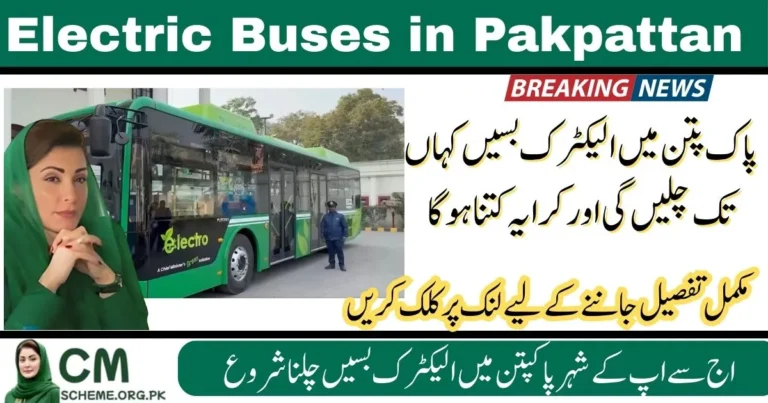
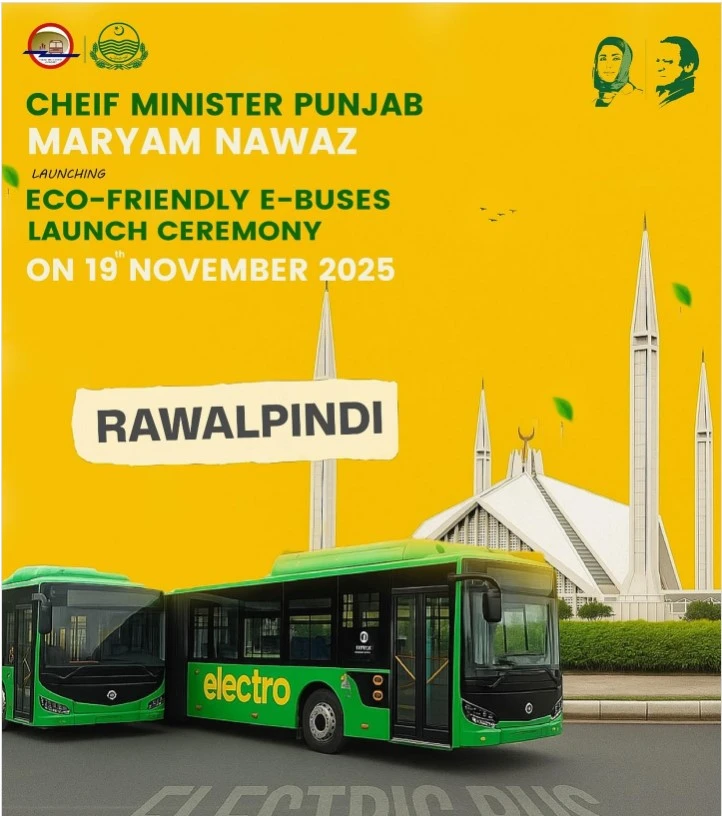
The streets of Rawalpindi are buzzing with excitement as the city embraces a cleaner, greener future. Chief Minister Maryam Nawaz recently launched the much-anticipated electric bus service, bringing 45 state-of-the-art buses to Pakistan’s fourth-largest city. This isn’t just another transport project—it’s a game-changer for millions of daily commuters.
Gone are the days of cramped, polluting public transport. The electric buses in Rawalpindi 2025 initiative marks a bold step toward sustainable urban mobility, promising comfort, affordability, and environmental responsibility all at once.
Why Rawalpindi Needed This Revolution
Electric buses in Rawalpindi 2025 : Rawalpindi has long struggled with traffic congestion and deteriorating air quality. The city desperately needed a modern solution that could serve high-traffic areas while reducing harmful emissions. This electric bus project directly addresses both challenges, offering residents a reliable alternative to private vehicles and outdated transport options.
The timing couldn’t be better. With climate change concerns mounting globally, Punjab’s commitment to eco-friendly transport sets a powerful precedent for other Pakistani cities.
Read More about Apni Zameen Apna Ghar Status Check via Balloting Result – 2025 Guide
Complete Route Network: Where the Buses Run
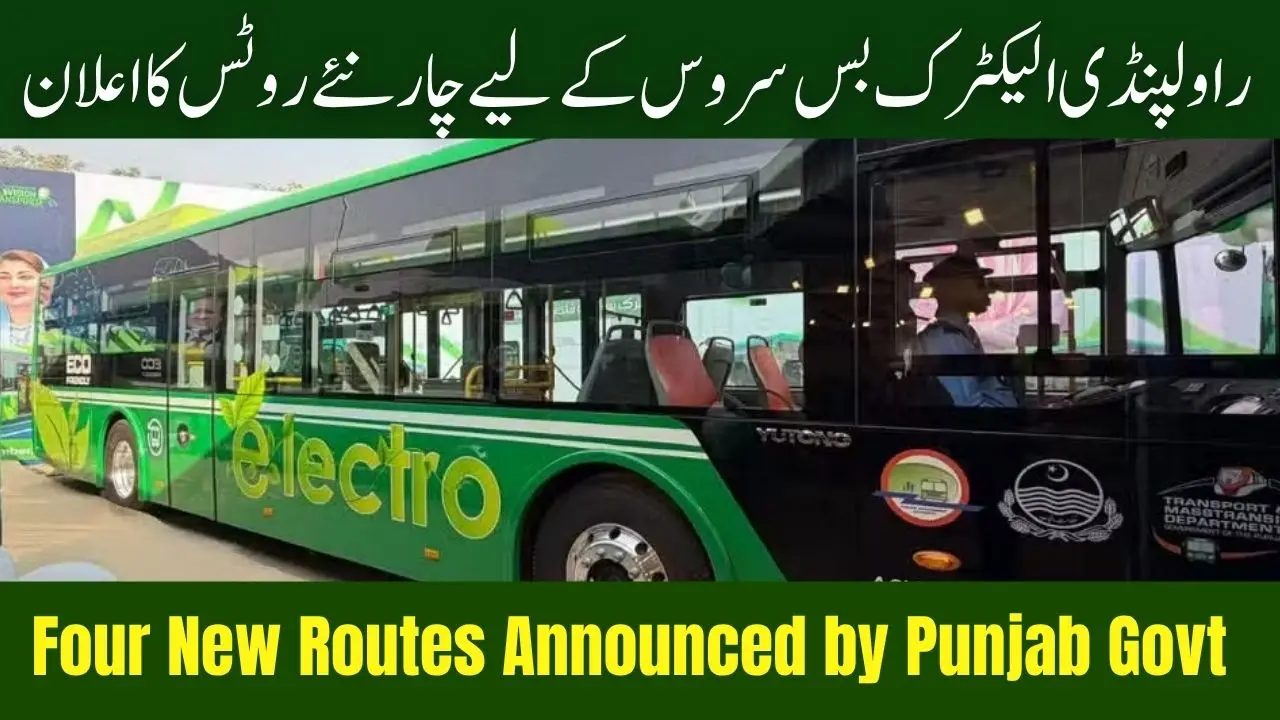
The electric buses in Rawalpindi 2025 currently operate across four strategically planned routes connecting the city’s busiest areas:
- Route 1: Saddar to Qabristan Chowk This 7-kilometer route deploys seven buses, serving one of Rawalpindi’s most congested corridors through Qasim Market and Shalley Valley.
- Route 2: Fawara Chowk to Koral Chowk Eight buses cover this 11.3-kilometer stretch, linking commercial hubs with residential neighborhoods.
- Route 3: Saddar Metro Bus Station to Munawar Colony Seven buses provide seamless connectivity for commuters traveling between these key locations.
- Route 4: Marrir Metro Bus Station to Motorway Chowk The longest route at 13.1 kilometers features 14 buses, ensuring frequent service along this critical pathway.
- Notably, Kutchery Chowk remains temporarily excluded due to ongoing remodeling work, but officials promise its inclusion once construction completes.
Read More: Electric Bus Services Free in Pakpattan: A New Era in Sustainable & Inclusive Transport
What Makes These Buses Special?
Electric buses in Rawalpindi 2025
These aren’t your ordinary buses. Each vehicle comes packed with premium amenities that rival private transport:
- Air conditioning for year-round comfort
- Free Wi-Fi to stay connected on the go
- Mobile charging ports at every seat
- Wheelchair accessibility with dedicated ramps
- Reserved women’s sections for enhanced safety
- CCTV surveillance throughout
The interior design prioritizes passenger comfort while maintaining eco-friendly standards. Every bus runs silently on electric power, dramatically reducing noise pollution compared to traditional diesel engines.
Unbeatable Affordability: Travel for Just Rs20
The fare structure proves the Punjab government’s commitment to accessible public transport. A single ride costs merely Rs20, regardless of distance traveled on any route.
But wait—it gets even better. Women, senior citizens, and children with special needs ride completely free. This inclusive approach ensures everyone can benefit from modern transport facilities without financial burden.
Punjab’s Broader Vision: Beyond Rawalpindi
The electric buses in Rawalpindi 2025 represent just one piece of Punjab’s ambitious transport transformation. The provincial government plans to deploy 1,500 electric buses across Punjab by December 2025, with services already running in Lahore, Mianwali, Wazirabad, Sargodha, and Sahiwal.
Lahore recently added 40 more electric buses in Phase II, expanding its fleet to eventually reach 500 buses. The service will soon extend to Nankana Sahib, Kasur, and Sheikhupura, creating an interconnected network of sustainable transport throughout the province.
Read More: 8171 Benazir Income Support App Download 2025 – How to Get It & Use It Safely
How to apply or learn more (official links)
For job applications, complaints, or wallet cards, use official Punjab portals:
- eTransit Punjab (travel card & support): https://etransit.punjab.gov.pk
- Punjab Mass Transit Authority: https://pma.punjab.gov.pk/
- Punjab Transport Company (careers & notices): https://ptc.punjab.gov.pk
How to Track Your Bus
Electric Buses in Rawalpindi 2025 | Routes & Updates
Passengers can plan journeys using the eTransit Punjab mobile application, which provides real-time arrival and departure information, route details, and service updates. This digital integration makes using electric buses in Rawalpindi 2025 incredibly convenient for tech-savvy commuters.
Future Expansion Plans for Electric buses in Rawalpindi 2025
While 45 buses currently serve Rawalpindi, the complete project envisions an 80-bus fleet. The remaining 35 buses will gradually roll out, expanding coverage to additional routes and increasing service frequency on existing corridors.
Officials project that once fully operational, the system will accommodate thousands of daily passengers, significantly reducing traffic congestion while promoting environmental consciousness.
Summary: Key Information at a Glance
| Category | Details |
| Launch Date | November 19, 2025 |
| Buses Deployed | 45 (Phase 1) |
| Total Planned | 80 buses |
| Number of Routes | 4 major routes |
| Fare | Rs20 per ride |
| Free Travel | Women, elderly, disabled children |
| Features | AC, Wi-Fi, charging ports, wheelchair access |
| Longest Route | Marrir to Motorway (13.1 km) |
| Punjab Target | 1,500 buses by December 2025 |
FAQs for Electric buses in Rawalpindi 2025
-
Q: What are the timings for electric buses in Rawalpindi 2025?
The buses operate throughout the day with frequent service on all four routes. Specific schedules vary by route, with peak hours seeing increased frequency.
-
Q: Can I use the buses without any registration?
Absolutely! Simply board at any designated stop and pay the Rs20 fare. Women and eligible passengers ride free without any prior registration.
-
Q: Are these buses really eco-friendly?
Yes, these fully electric buses produce zero direct emissions and significantly reduce noise pollution compared to diesel alternatives.
-
Q: Will more routes be added soon?
Definitely. The government plans to complete the 80-bus fleet and expand coverage to additional areas as infrastructure development progresses.